# Get Your BLS & ACLS Certification with CPR Training in Montclair
Navigating a demanding healthcare schedule in Montclair requires balancing long clinical shifts, patient care duties, administrative responsibilities, and ongoing professional development. Whether you work in a hospital network, an outpatient surgical center, a dental clinic, or an emergency response team, keeping your emergency medical credentials current is mandatory. However, when compliance deadlines approach, taking an entire day off to sit in a long classroom seminar can feel like an impossible burden.
Finding an efficient, flexible way to earn your **[CPR Certification in montclair](https://cprcart.com/locations/california/montclair/)** is essential for maintaining workplace compliance without disrupting your routine. Modern life-support training has adapted to match the realities of today’s healthcare workforce. By shifting the academic study online and streamlining practical testing into a fast, objective skills session, you can update your credentials easily on your own terms.
## The Problem with Traditional Classroom Certification
For years, obtaining basic or advanced life-support credentials required clearing your schedule for a full-day weekend seminar. Learners were expected to sit through lengthy video tapes, static presentations, and repetitive group lectures. For seasoned clinical professionals who handle resuscitation procedures regularly, sitting through introductory lectures year after year often felt tedious and time-consuming.
Modern clinical environments require a far more efficient alternative. Healthcare personnel need continuing education options that respect their existing clinical experience while strictly adhering to updated resuscitation science. Decoupling academic coursework from physical skills checks gives providers the freedom to master critical concepts when they are most alert, avoiding scheduling bottlenecks entirely.
## The AHA HeartCode® Model: High Efficiency, Uncompromising Quality
At the center of this modern learning approach is the official American Heart Association (AHA) HeartCode® module. Built to provide maximum scheduling flexibility alongside rigorous clinical verification, this blended model breaks your training down into two simple stages:
1. Part 1 – Self-Paced Web Learning: You complete the interactive cognitive portion online from any computer, tablet, or mobile device. Utilizing adaptive learning algorithms, dynamic patient simulations, and branching scenario challenges, the digital platform tailors its pace directly to your knowledge level. Experienced clinicians can move smoothly through familiar protocols, while those looking for a refresher can review emergency pharmacology or telemetry algorithms as needed.
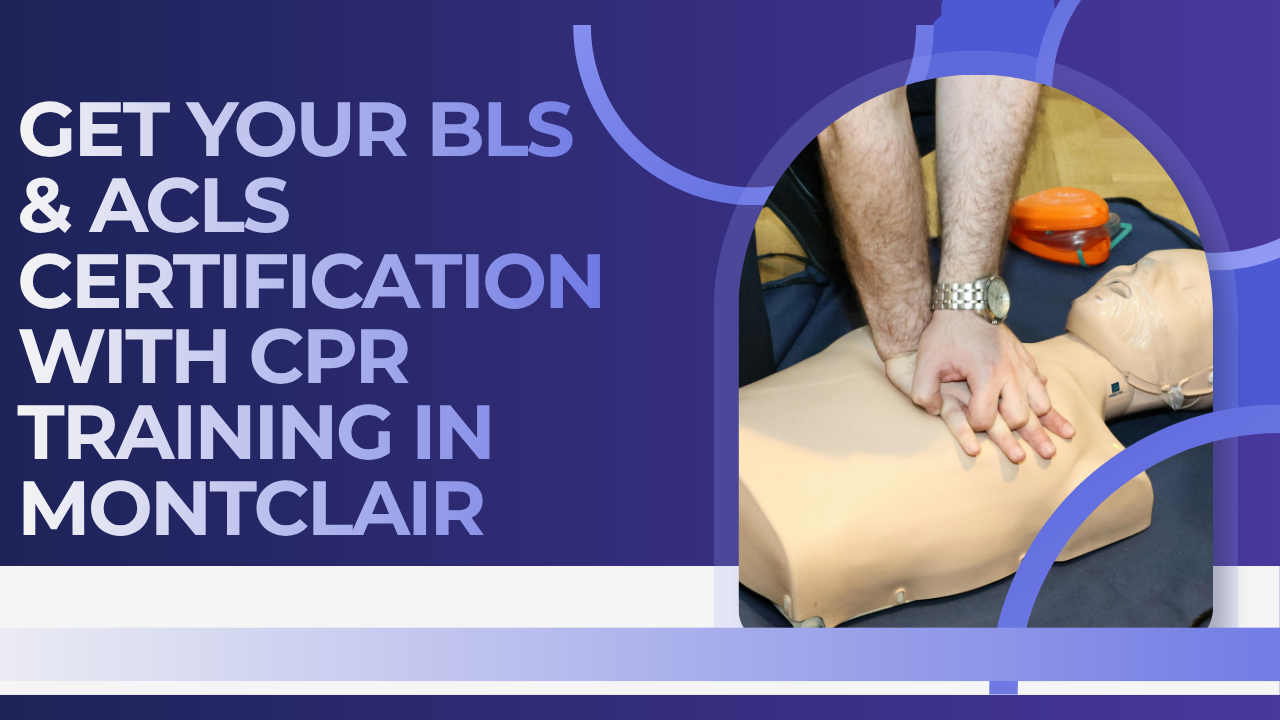
2. Part 2 – Quick 30-Minute Skill Session: After finishing your digital modules and printing your completion certificate, you visit a local testing center for your physical evaluation. Instead of waiting around for manual checks, you perform chest compressions and ventilations on interactive manikins equipped with real-time feedback technology. These voice-assisted computerized units deliver instant objective data on your compression rate, depth, chest recoil, and mask ventilation volume.
Because the hands-on evaluation measures exact objective performance metrics without manual delays, most healthcare providers finish their practical verification in under 30 minutes. Once complete, your official eCard is issued digitally, granting immediate compliance accepted by healthcare systems nationwide.
**Finding Flexible CPR Classes to Fit Your Routine**
When seeking convenient **[CPR Classes](https://cprcart.com/)**, healthcare professionals and community safety responders need solutions that eliminate unnecessary downtime. Traditional group classes often move at the pace of the slowest student, leading to prolonged sessions that take away from your personal life or patient care.
Choosing a blended HeartCode learning path allows you to replace lengthy classroom lectures with an individualized, digital learning experience. You can review guidelines on your break, complete modules at home, and schedule your rapid 30-minute practical evaluation at a time that fits seamlessly into your workweek.
**Earning Your BLS Card with Convenience**
Basic Life Support represents the universal baseline requirement for direct patient care across hospitals, surgical facilities, rehabilitation centers, and emergency services. Holding an active **[BLS Card](https://cprcart.com/classes/bls/)** demonstrates that a healthcare professional possesses the necessary skills to recognize cardiac emergencies, deliver effective ventilations, and perform high-yield chest compressions.
The HeartCode BLS curriculum covers vital emergency resuscitation protocols:
• Adult, child, and infant CPR techniques for single-rescuer and multi-rescuer scenarios
• Team-based resuscitation dynamics and clear communication roles during code events
• Proper application and safety operation of Automated External Defibrillators (AEDs)
• Effective bag-valve-mask (BVM) ventilation and barrier device seals
• Immediate recognition and relief of foreign-body airway obstructions (choking)
By completing your theoretical modules online and verifying physical skills during a quick 30-minute appointment, medical professionals can fulfill their training requirements without taking valuable time away from work or family life.
**Elevating Clinical Emergency Skills with an ACLS Card**
For healthcare providers working in acute care settings, intensive care units, emergency departments, or cardiac catheterization labs, basic measures represent only the first line of intervention. Earning an active **[ACLS Card](https://cprcart.com/classes/acls/)** (Advanced Cardiovascular Life Support) confirms that a clinician is prepared to evaluate, lead, and execute complex treatment algorithms during cardiac and cardiovascular crises.
The ACLS framework builds directly upon basic resuscitation concepts, introducing cardiac telemetry analysis, electrical therapy, advanced airway control, and emergency pharmacology. Key learning areas include:
• Structured approach to initial emergency evaluation (A-B-C-D-E system)
• Management of cardiac arrest algorithms, including Ventricular Fibrillation, Pulseless VT, Asystole, and PEA
• Differential diagnosis and medical management of unstable bradycardia and tachycardia
• Immediate diagnostic assessment and treatment for Acute Coronary Syndromes (ACS) and acute ischemic stroke
• High-performance resuscitation code leadership and closed-loop team communication
Through the HeartCode ACLS digital platform, physicians, nurse practitioners, physician assistants, and paramedics can practice telemetry algorithms online before executing physical skills on smart feedback manikins during their fast practical session.
**Specialized Pediatric Emergency Expertise: Earning a PALS Card**
Delivering emergency care to infants and children requires distinct clinical reasoning, specialized equipment sizing, and precise weight-based medical calculations. Holding a valid **[PALS Card](https://cprcart.com/classes/pals/)** (Pediatric Advanced Life Support) verifies that a healthcare provider is trained to recognize and manage respiratory distress, shock, and cardiac events in pediatric patients.
Because pediatric medical emergencies typically stem from respiratory failure or circulatory shock rather than primary cardiac conditions, early identification is vital. The PALS curriculum emphasizes timely systematic evaluation and proactive intervention:
• Systematic pediatric assessment using the Evaluate-Categorize-Intervene framework
• Recognition and treatment of upper and lower airway obstructions, lung tissue disease, and disordered breathing
• Identification of compensated versus hypotensive shock states and fluid resuscitation protocols
• Weight-based medication dosing algorithms and intraosseous (IO) access principles
• Post-resuscitation stabilization protocols tailored specifically to pediatric physiology
Pediatric care nurses, emergency room staff, respiratory therapists, and urgent care clinicians rely on the flexible HeartCode PALS module to satisfy facility credentialing demands while maintaining their busy work shifts.
**Four Simple Steps to Get Certified Today**
Updating your emergency qualifications should fit smoothly into your life. If you need to renew your credentials or earn a new certification in Montclair, getting certified takes four simple steps:
1. Select Your Course Track: Choose between BLS, ACLS, or PALS depending on your professional credentialing needs.
2. Complete the Online Module: Finish the self-paced AHA HeartCode coursework at your own convenience from home or the office.
3. Schedule Your 30-Minute Skill Session: Visit a convenient local facility to complete your automated physical evaluation.
4. Claim Your Official eCard: Pass your rapid hands-on check and receive your official American Heart Association eCard in your email inbox the same day.
Take control of your continuing education timeline, protect your free time, and maintain complete confidence in your emergency life-support skills today.